In September 2009, UNESCO officially approved Dragon Boat Festival's inclusion in the Representative List of the Intangible Cultural Heritage of Humanity, making it the first Chinese festival to be selected. The application was jointly sponsored by three provinces and included four parts, including the Dragon Boat Festival customs of Suzhou.
The Dragon Boat Festival customs of Suzhou originate from ancient dragon-totem worship rituals practiced about 2,500 years ago. What makes them distinctive is their connection to Wu Zixu, as well as Jiangnan folk traditions they embody. Core customs include dragon boat racing, making herbal sachets, hanging mugwort and calamus, and wearing "Five Poisons" garments, tiger-head shoes and five-color silk strings.
Remembering Wu Zixu
About 2,500 years ago during the Spring and Autumn period, Wu Zixu, the celebrated military general and politician of the State of Wu, oversaw the construction of the capital of Wu (today's ancient city area of Suzhou) and contributed greatly to local water management and canal systems, earning deep respect from locals. However, King Fuchai of Wu believed false accusations against Wu Zixu and ordered him to take his own life. On the fifth day of the fifth lunar month, his body was cast into the river. Grieving residents threw zongzi into the water to prevent fish from eating his body, gradually forming the tradition of commemorating Wu Zixu around Dragon Boat Festival.
Local folks believed "when Zixu died, the Water Deity was born". As a result, "remembering Wu Zixu and welcoming the Water Deity" became an important part of Dragon Boat Festival celebrations in the Wu region. Every year around the festival, descendants of Wu Zixu gather in Suzhou for memorial ceremonies. Afterward, people throw zongzi into the river and release loaches and river clams.
Dragon Boat Racing
Suzhou is one of the birthplaces of dragon boat racing. Originally connected with commemorating Wu Zixu, it gradually evolved into one of the most popular Dragon Boat Festival activities.
Countless boats race across the water amid cheers on the shore. Before the races begin, dragon boats must bow three times toward Xujiang River to pay homage to Wu Zixu. A series of traditional performances further enrich the festive atmosphere.

Making Zongzi
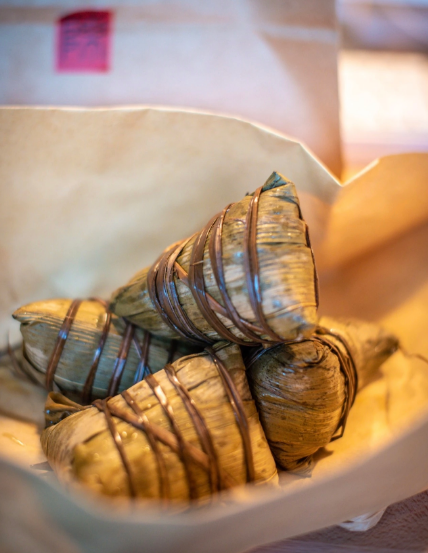
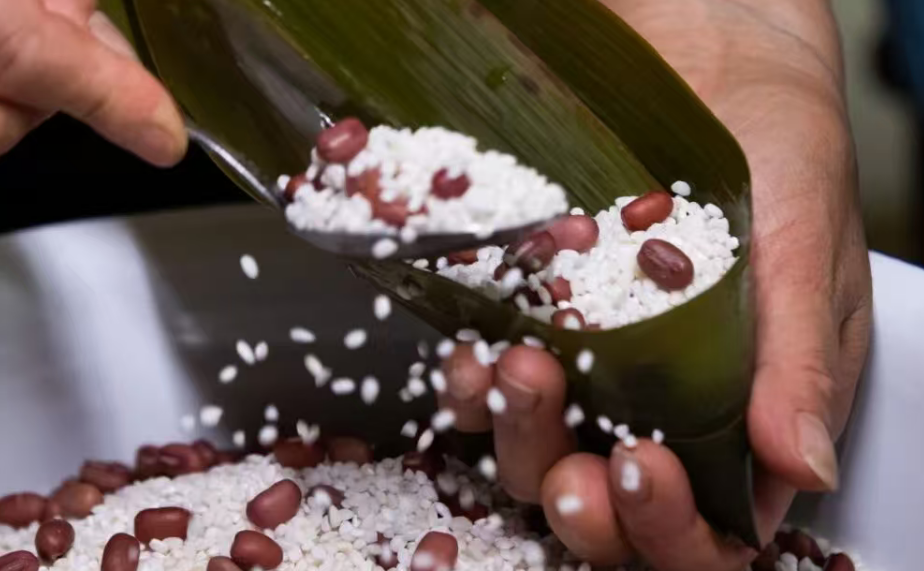
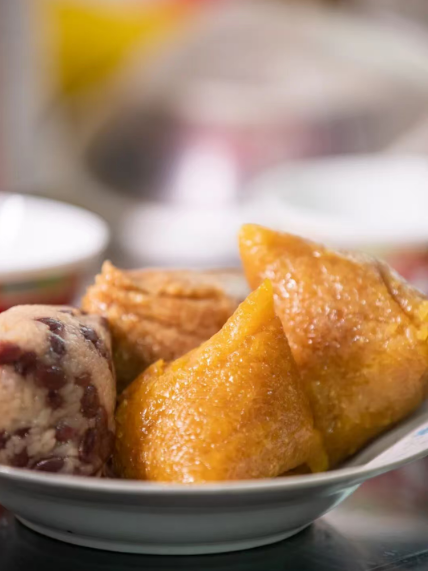
To make a zongzi, bamboo leaves are folded into a cone shape and filled with glutinous rice and fillings. The leaves are then wrapped tightly and secured with a cotton string. Traditional zongzi fillings in Suzhou include fresh pork, ham, red bean, jujube and sweet bean paste. Plain glutinous rice zongzi is known as "white water zongzi" and zongzi cooked with mugwort ash water is called "gray soup zongzi". During Dragon Boat Festival, the aroma of zongzi is one of the city's most cherished seasonal memories.
Eating "Five Yellows"
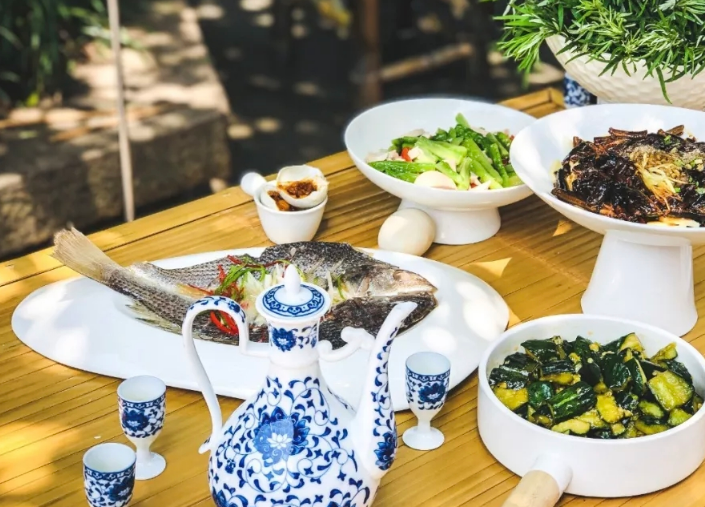
"Five Yellows" refer to yellow croaker, eel, cucumber, salted egg yolk and realgar wine. Both yellow croakers and eels are seasonal delicacies believed to nourish the body, while realgar wine can repel insects and ward off illness.
Repelling "Five Poisons"
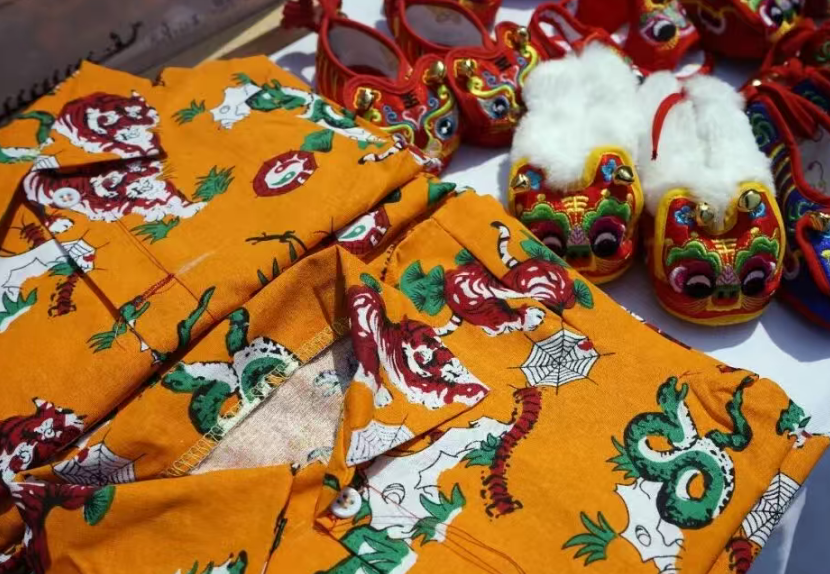
"Five Poisons" refer to five hazardous animals in traditional Chinese culture. Dragon Boat Festival falls on the fifth lunar month, when temperatures rise and insects become especially active, leading to the tradition of repelling "Five Poisons".
In Suzhou, children wear garments with "Five Poisons" motifs as symbols of protection and safety.
Hanging Mugwort and Calamus
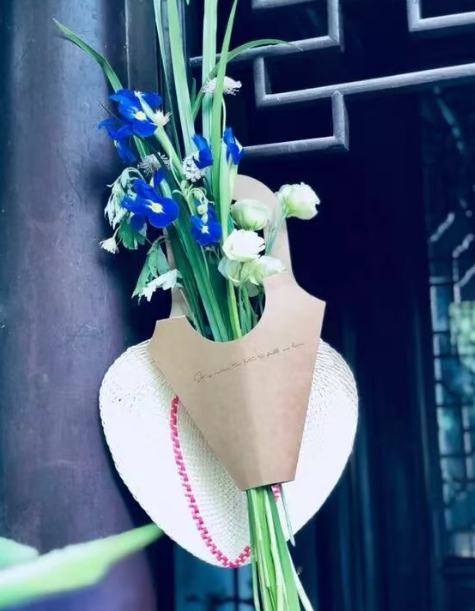
Around Dragon Boat Festival, Suzhou is often rainy and humid. Therefore, families hang the portrait of Zhong Kui (a famous exorcist), mugwort and calamus in their homes to dispel dampness and scare away evil spirits. Because calamus leaves resemble swords, they are nicknamed "water swords" and are believed to "kill demons".
Wearing Sachets
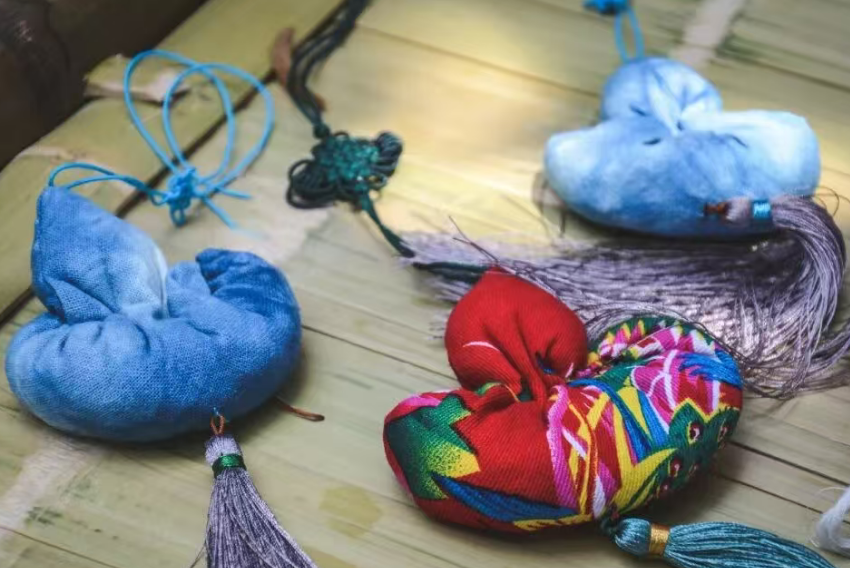
Sachets are embroidered with patterns of flowers, birds and beasts and filled with fragrant herbs. Small and exquisite, they can be worn or hung indoors and are believed to help prevent illness and repel insects.
Wearing Five-color Silk Strings
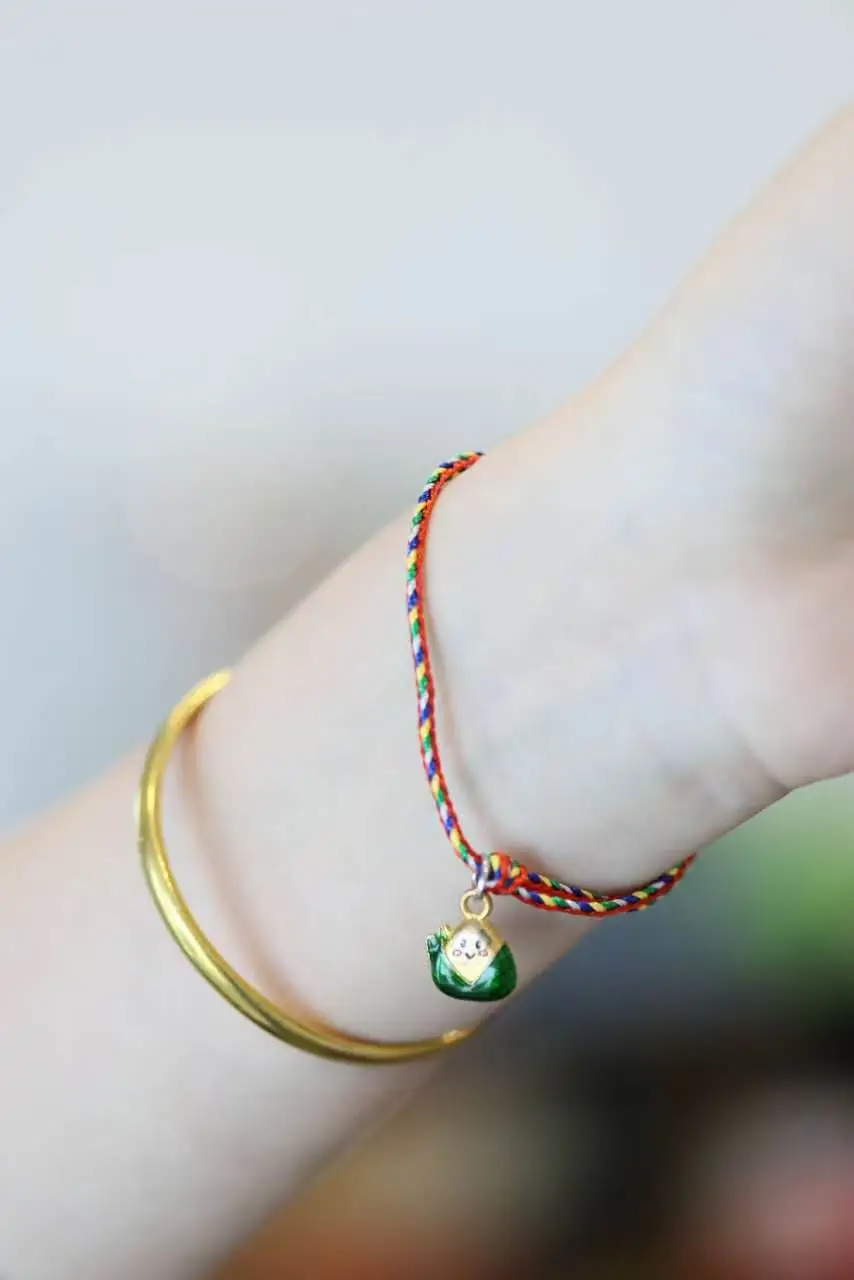
The five-color silk string, also known as the longevity string, is made with white, blue, black, red and yellow threads. People believe it can ward off evil, avoid illness and bring longevity.